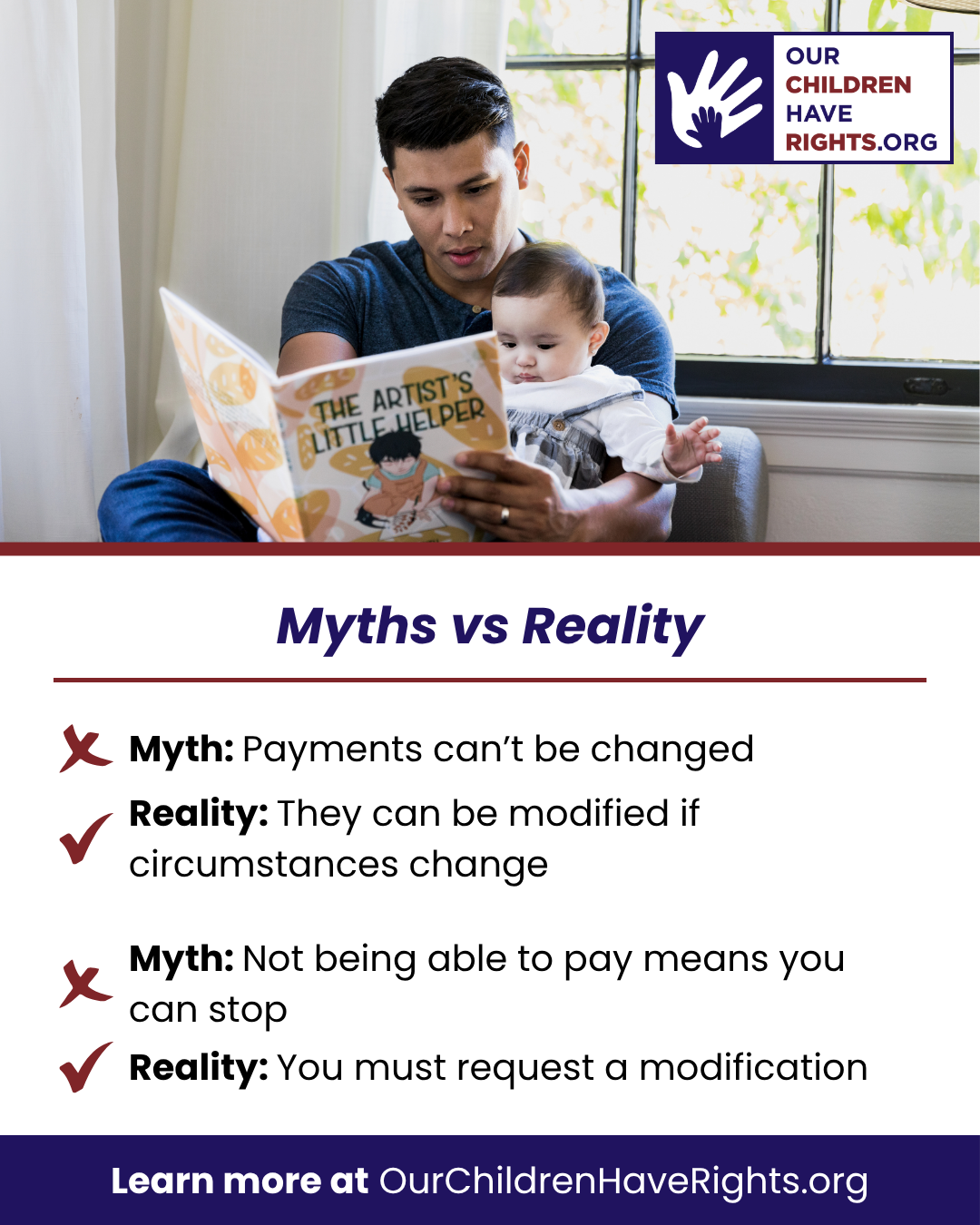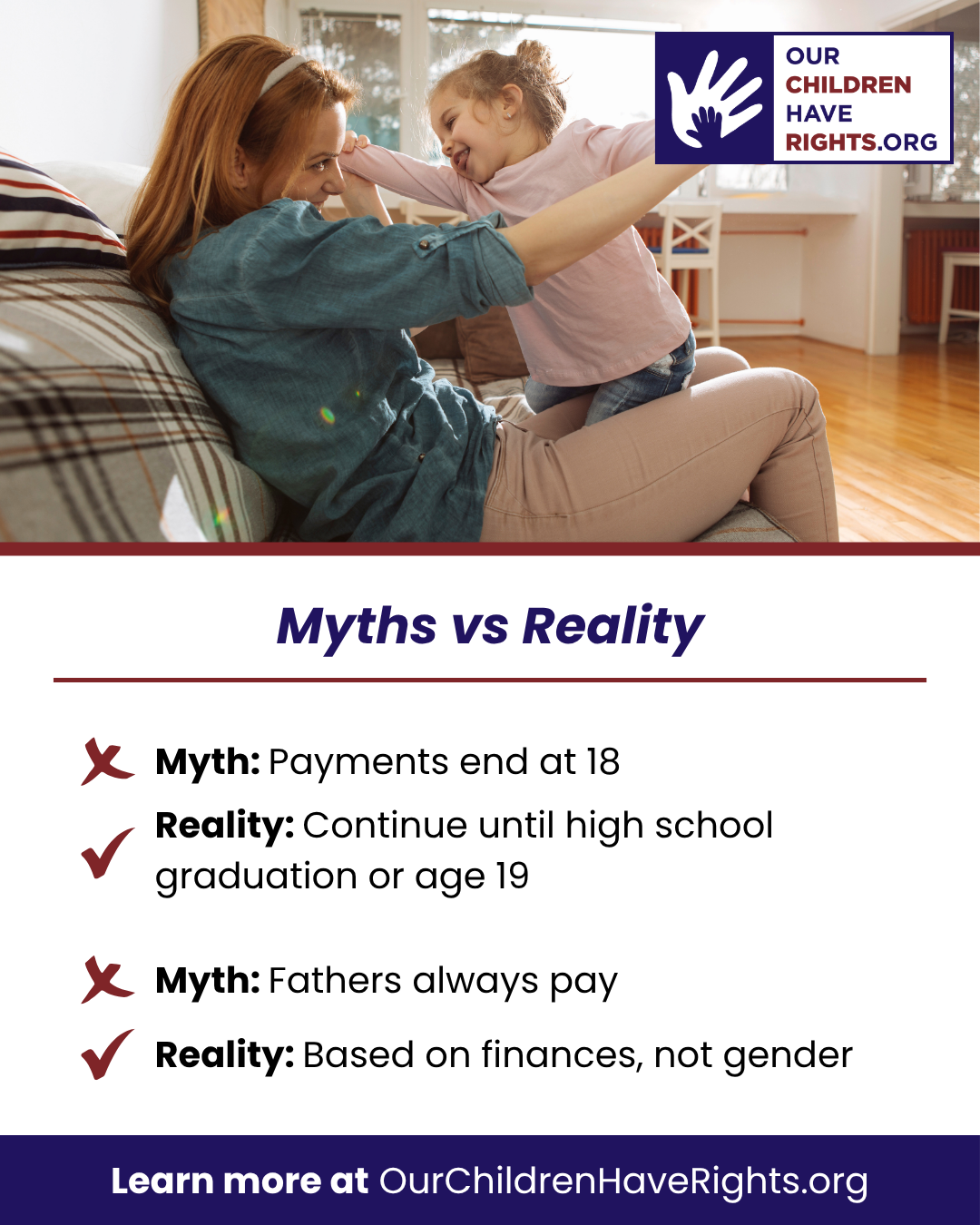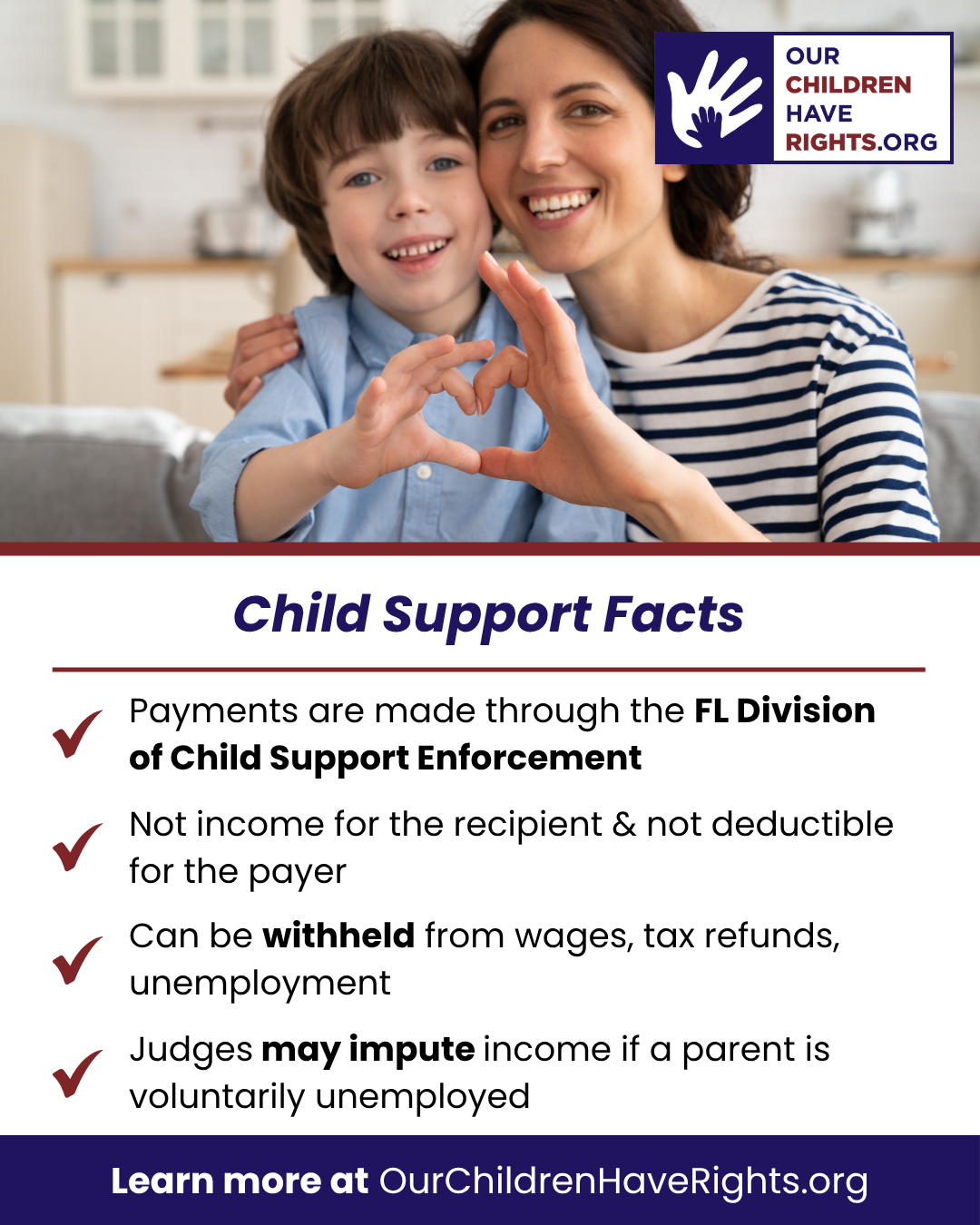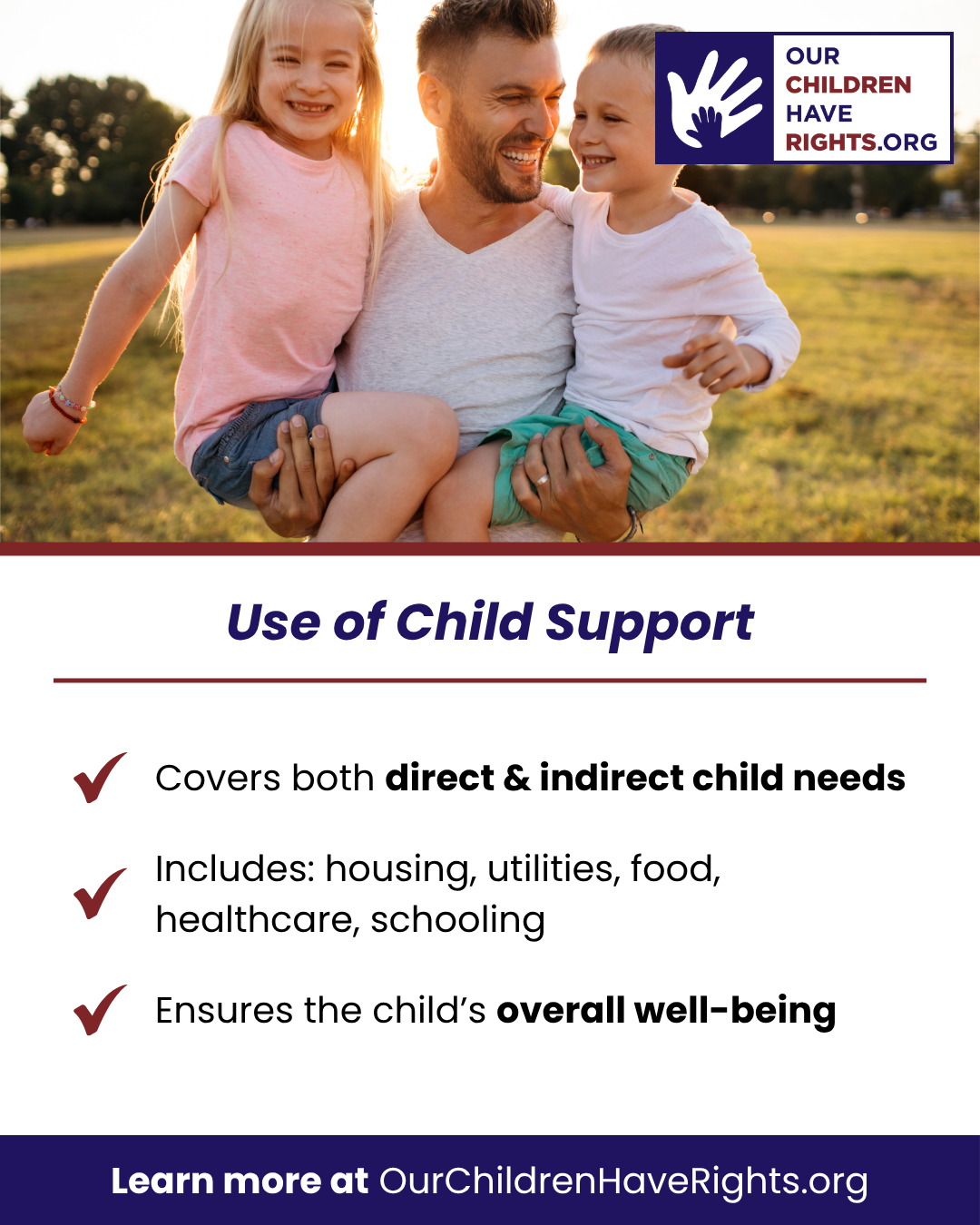

What is Child Support?

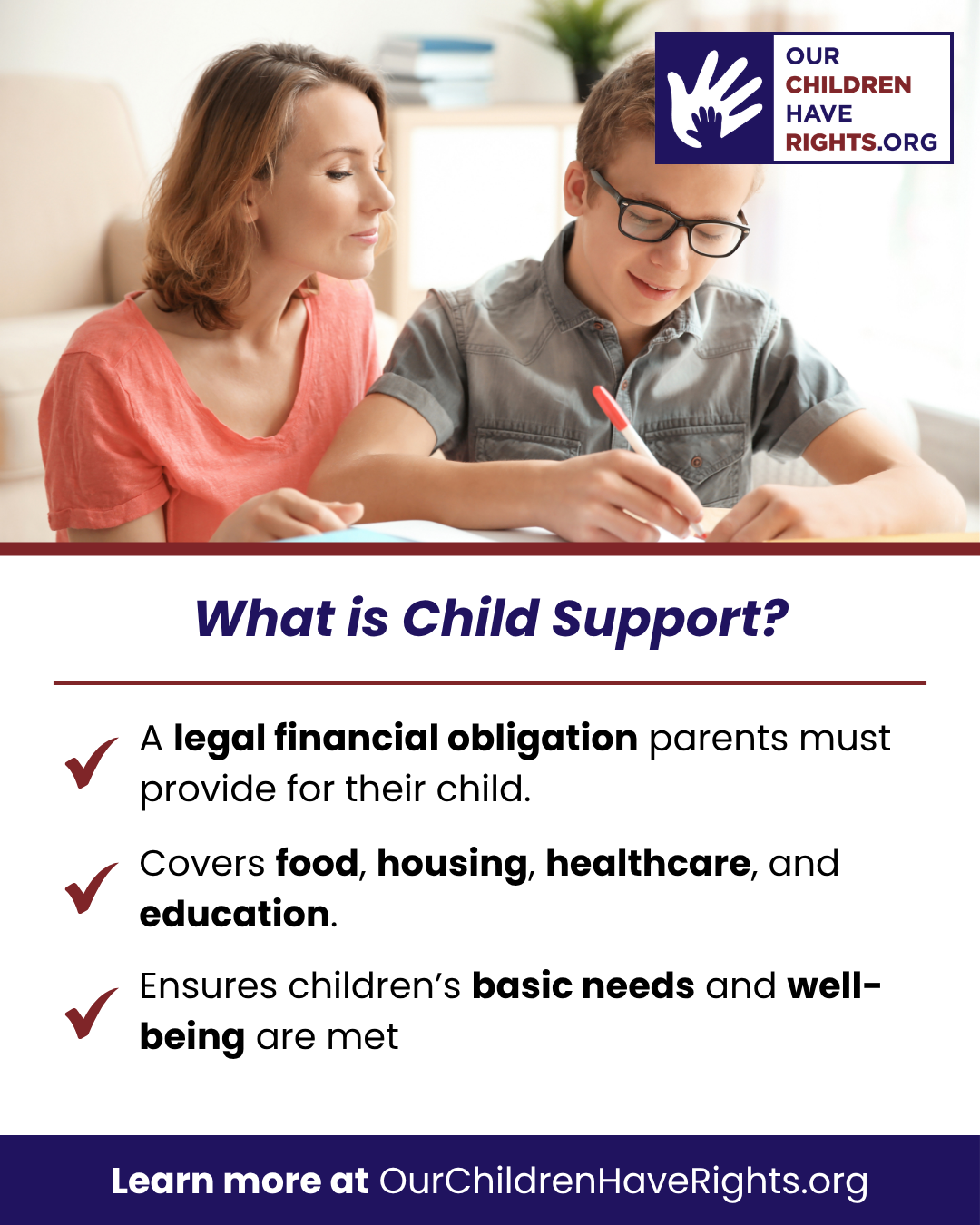
Child support is an ongoing payment by a non-custodial parent to assist with the financial support of their children.
Child support payments are often determined during the process of dissolution of a marriage through divorce, though the only requirements for requesting child support payments are the establishment of paternity and maternity.

MaritalLaws.com is a great resource that has compiled child support laws for all 50 states.
For example, this map shows states that have Income Share law. Income share is the amount of money dedicated to the child in the household before the separation of the parents. This income share amount can be factored into child support.
Non-Custodial Parent Employment Programs

Connecting H.O.P.E
This program is supported by the Florida Department of Commerce, and works with non-custodial parents who have child support cases in Florida. We address barriers to employment, support and train the individuals, and place them into a sustainable job for retention.
Cornerstone Connections
Empowering Your Future
HOPE is an acronym for Healing, Opportunity, Perseverance, and Empowerment, We connect all of these in a supportive manner, through a host of specialized services designed to help you obtain employment.
This program engages and works with non-custodial parents who are unemployed or underemployed and have been court ordered to pay child support.

Non-Custodial Parent Employment Program (NCPEP) assists unemployed or underemployed noncustodial parents in establishing a pattern of regular child support payments by obtaining and maintaining unsubsidized, competitive employment.
The program serves Pinellas, Hernando, Pasco, Hillsborough, and Miami-Dade counties.
Gulf Coast JFCS
Life of a Child Support Case
Curious about the child support process? Browse through the cards below, beginning with Sign up for Services, to gain a better understanding of each step involved in a child support case.
1
Sign up for Services
Parents or caregivers may sign up for
child support services by completing
the sign up form online.

2
Locate Parents
Parents are identified and located
before a child support order is
established, and they should update
their contact information with the
Program throughout the case.
3
Establish Paternity
The child support program will help establish paternity in cases where a
child’s legal father has not been established. This may involve genetic testing.
4
Establish Support Order
A child support order sets the amount
and type of support to be paid. This
may include medical insurance
and/or additional medical costs not covered by insurance.
5
Parent Begins Making Payments
Parents have a wide variety of options
to make child support payments. The support order details the payment amount and frequency.
6
Program Distributes Support
When a parent makes a child support payment, it is processed by the State Disbursement Unit and sent to the
parent who is owed support.

7
Resources for Parents
If a parent is facing challenges with employment, or needs additional resources, the Child Support Program
has a variety of options and community resources to assist.
8
Comply with Support Order
If support is not being received as
ordered, the Program can initiate enforcement actions. Parents who are past due should contact us to discuss their options.
9
Change Support Order
If there is a significant change in a
parent or family’s circumstances and
they believe the order may need to be changed, a parent can request a review
of their support order.
About the Child Support Program
The Florida Child Support Program provides child support services to over 879,000 children and annually collects over a billion dollars in child support for families.
Our Program's purpose is to help children get the financial support they need when it is not received from one or both parents. To accomplish this, we work with families, other state and federal agencies, and private companies to take critical steps in the child support process.
The Child Support Program cannot assist with visitation or custody. If you have legal questions about those matters, you should contact a lawyer or Family Law Self-Help Center near you. We can assist parents with establishing a parenting time schedule in some circumstances.
Our services are available when a parent lives in another state or country. For more information about our services and what happens during a child support case, refer to the Life of a Child Support Case.
The Child Support Program administers child support services in all but two Florida counties. In Miami-Dade County we partner with the State Attorney's Office for services and in Manatee County we partner with Manatee County Clerk of Court for services
Establish paternity
Establish and change child support orders
Process child support payments
Monitor and take action to help parents comply with child support orders
Services to Families
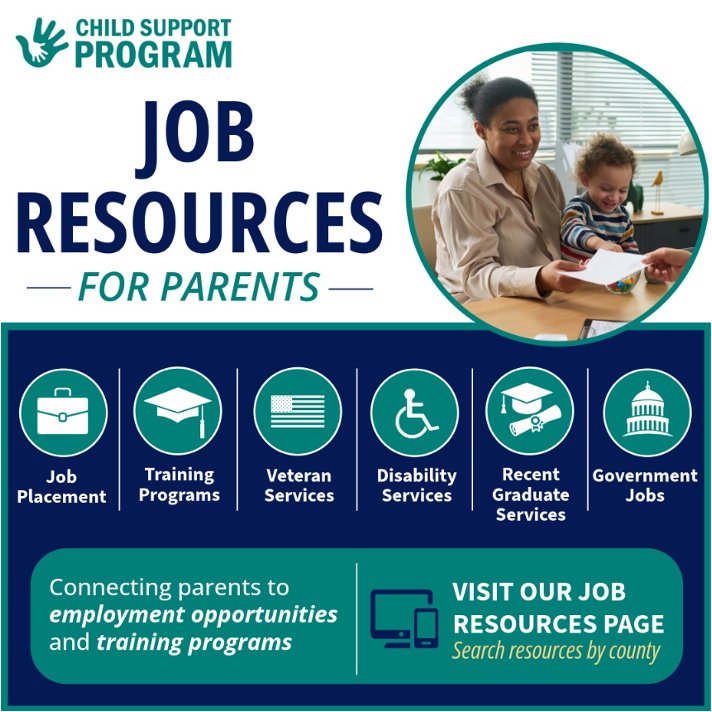
Employment services can help parents learn new skills, explore careers, and connect to training. Visit the Child Support Program’s Job Resources page online, which offers links to local employment organizations and services.
Employment Resources
Easy Ways to Contact Us - Explains how parents can handle their child support case without visiting a child support office. (Also available in: Español )
Paternity brochure - Explains how paternity is established. (Also available in: Español, Kreyòl Ayisyen )
Genetic testing brochure - Explains how genetic testing works and how results are handled. (Also available in: Español, Kreyòl Ayisyen )
Paternity & Genetic Testing Informational Brochure for Other State Agencies - Combines the Paternity & Genetic Testing brochures into one takeaway
Establishing a Child Support Order Infograph - Explains how we establish and/or modify child support orders.
Working with Parents and Partners to Ensure Payment Infograph - How we ensure payment and the various methods the Program uses to assist in this effort.
Requesting Child Support Services Infograph - Explains the three ways we receive service requests and how to stop Child Support Program services.
Child support payments - Explains what the State Disbursement Unit is and how to make child support payments. (Also available in: Español, Kreyòl Ayisyen )
Receiving child support payments - Explains the options for parents to receive child support payments and how to review payment history.
Supporting Your Child After Incarceration - Provides helpful information for parents who are soon-to-be released and recently released from incarceration.
How to Print Payment History - Explains how parents can log in to their eServices account to access and print payment history.
Help Us Help You - Explains the information parents should keep up-to-date with us to allow us to provide the best service possible.
Additional Resources

Child Support Calculations
Visit our partner’s website for more detailed information on Child Support Calculations.
Additional Helpful Resources

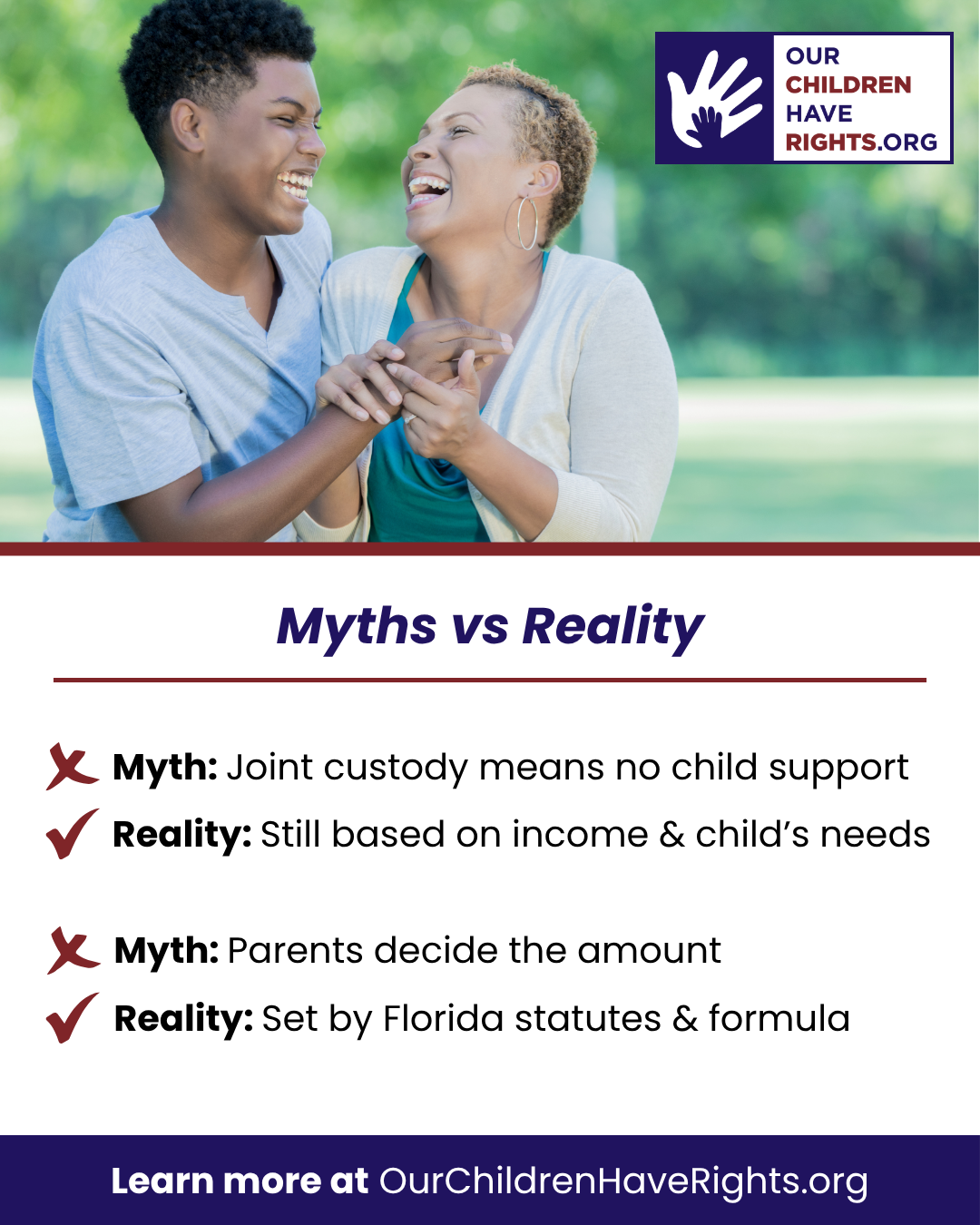
Each state has it’s own statutory guidelines that judges use to determine the amount of monthly child support paid by the non-custodial parent. More info here.
The amount of child support a court will order for any particular case may be different from the amount estimated by the calculator. The calculator is giving an estimated average of child support based on previous cases, and external resources. However, you should always check your actual court order before making a decision.
For the most part, these calculators assume that all of the children at issue will primarily live with one parent. They are not intended to estimate child support for joint physical custody or split custody arrangements. For resources on how to reduce stress as a single parent, check out this blog post.
These calculators do not take into account any possible adjustments for children who are not subject to the custody order, but who are living with one of the parents. Finally, these calculators may be based on older or outdated state guidelines or calculations and may not take into consideration state or federal tax implications on income. Make sure to check with your state's guidelines to know what the latest updates are.
If you would like to access more state resources, check out State Child Support Resouces page.
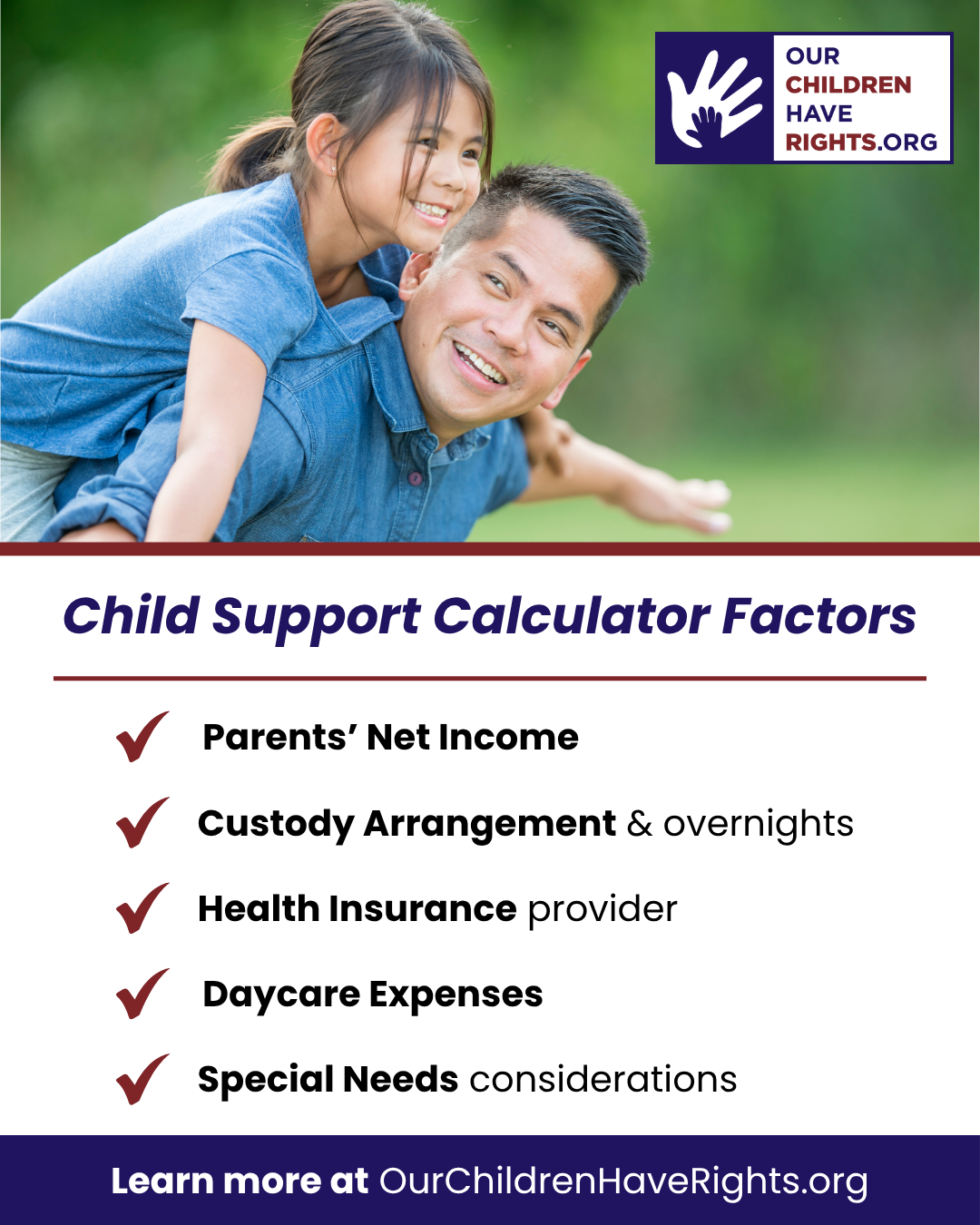
These and many other factors can affect a child support order entered by a court.
For more information on what goes in a child support order entered by a court, check out our blog post about court orders.
Support Pay is another helpful resource that we have identified.
Support Pay Disclaimer: Please remember that these calculators are for informational and educational purposes only.